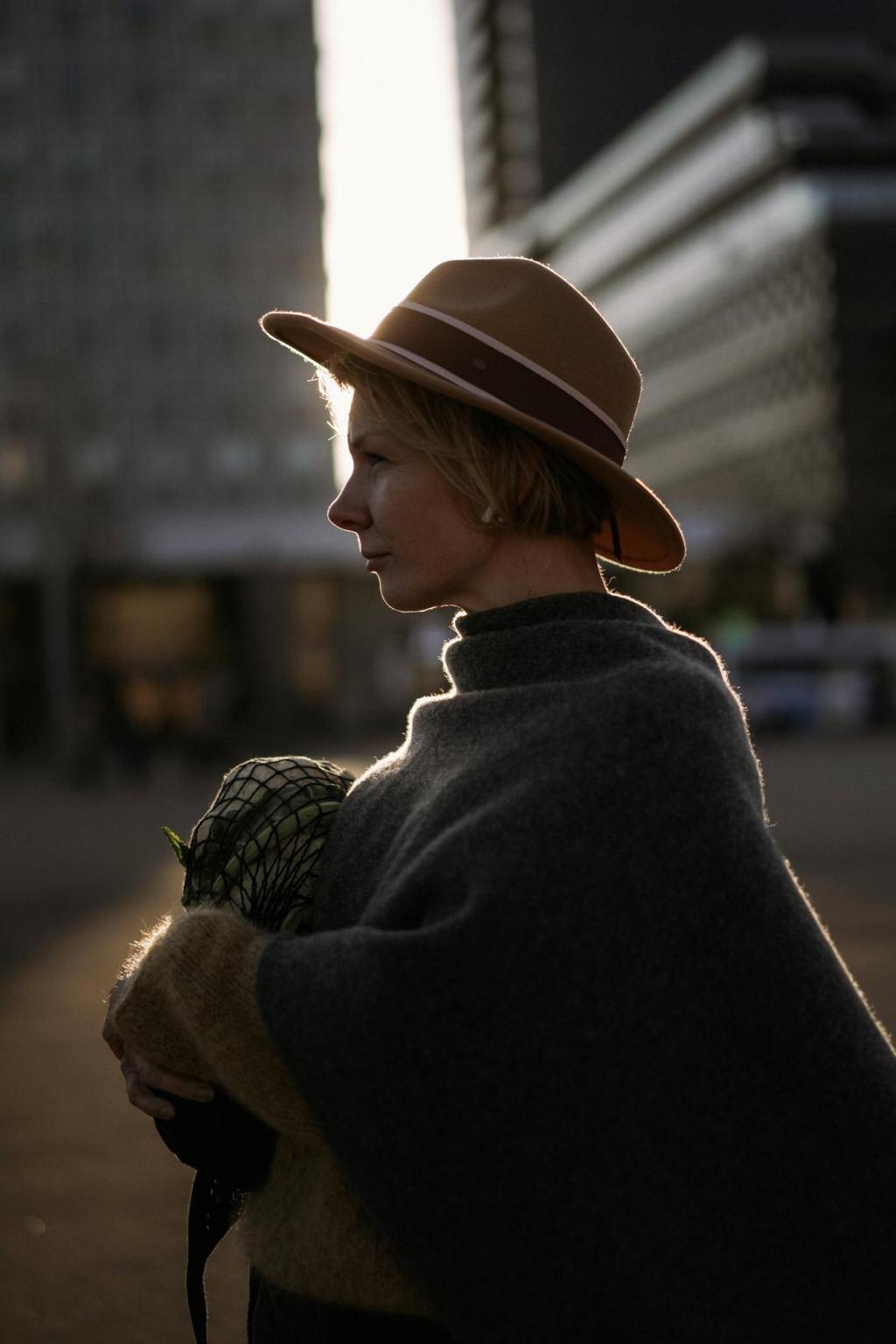
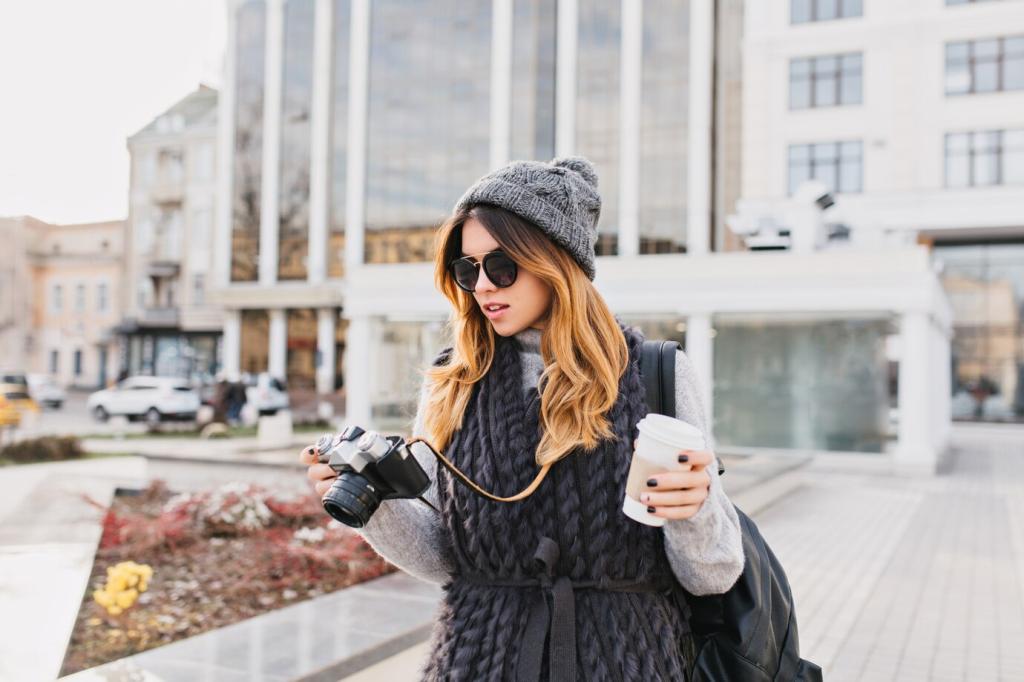
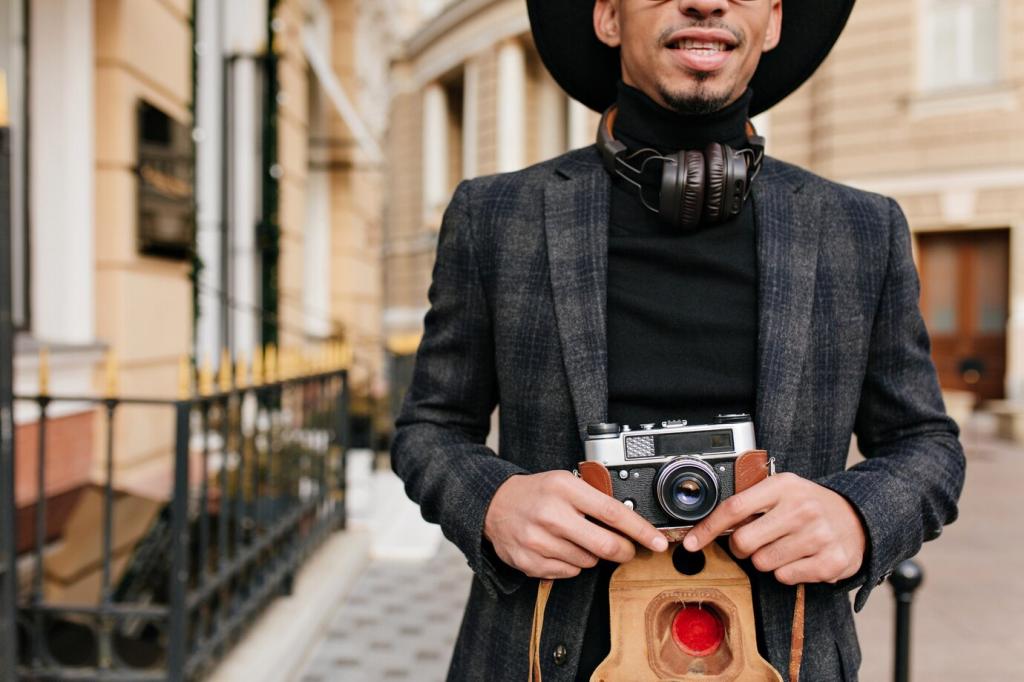
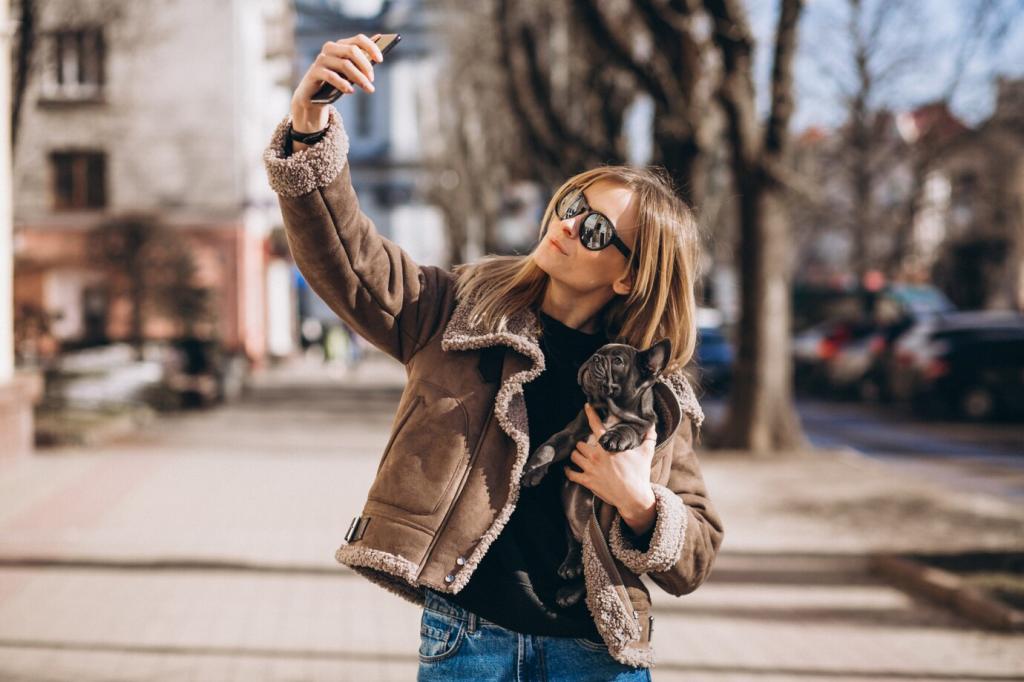
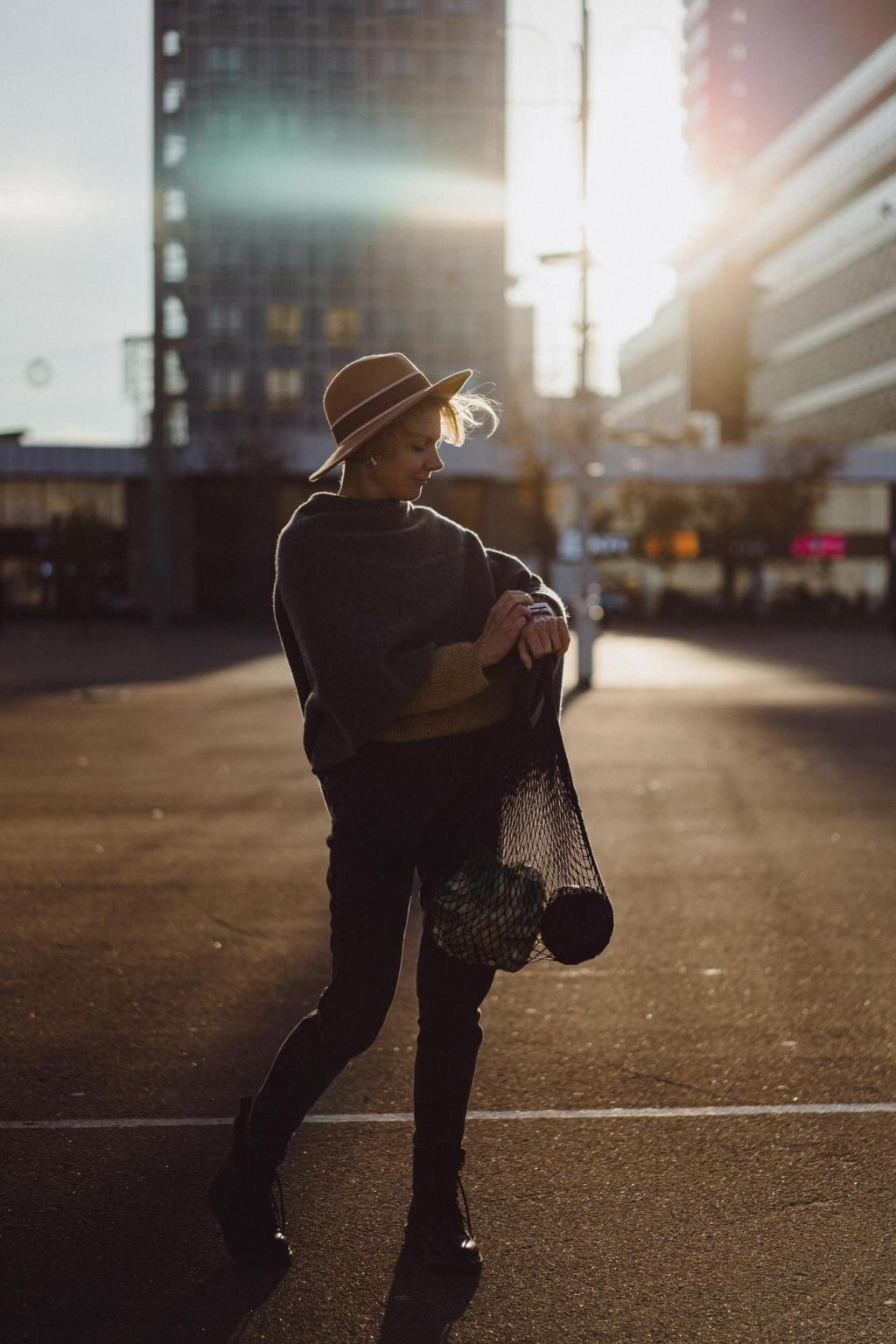
Lead with transparency and kindness: introduce yourself, share why their presence inspires you, and propose a short, specific portrait. Keep your camera down initially, offer a sample image on your phone, and invite questions. Ask permission clearly, then honor the answer.
Approaching People with Confidence and Care
Before approaching, scan the scene for mood, pace, and personal space. People waiting calmly are likelier to engage than those rushing or stressed. Position yourself where conversations feel natural, avoid cornering, and maintain an open stance that invites rather than demands attention.
Bright storefronts and overcast skies create flattering, diffuse light. Position subjects near window spill, using white walls or delivery trucks as reflectors. Watch reflections in glass for layered storytelling, and tilt slightly to avoid your own reflection photobombing the frame.
Even where candid photography is legal, ask for participation when the portrait is relational. Look for relaxed shoulders, steady eye contact, and unhurried breathing. If discomfort appears, pause, lower the camera, and offer an easy exit. Their dignity is the priority, always.
After the portrait, ask for a short description: name, role, and a meaningful detail. Summarize with respect, avoiding sensationalism. A strong line might be, “Marisol, florist, saving tips to open her own corner shop.” Keep edits faithful, not embellished.
02
Invite stories with open prompts: “What brought you here today?” or “What’s one thing you’re proud of?” Listen for anchors—objects, routines, phrases—that reveal identity. Photograph those anchors alongside the portrait to weave visual and verbal threads into one coherent narrative.
03
Hands tell truth: a cook’s knife grip, a mechanic’s knuckles, a musician’s strings. Incorporate tools and settings respectfully, asking permission before moving personal items. These details transform pretty pictures into portraits that speak clearly about work, dreams, and belonging.
Quick, Reliable Settings on the Go
Use aperture priority around f/2 to f/2.8 for isolation, auto ISO capped to preserve detail, and exposure compensation for backlit faces. In strong neon, underexpose slightly to protect color. Always check histograms quickly between takes, not during conversation.
Quick, Reliable Settings on the Go
Back-button focus and eye-detection speed up shooting. If technology struggles, pre-focus at a conversational distance and lean subtly. Keep the camera quiet with electronic shutter where possible. Maintain eye contact often so gear never interrupts the human connection you’re building.
Anecdotes from the Sidewalk
He declined at first, then smiled when we complimented his immaculate line work and asked about his father’s razor displayed by the mirror. We returned after closing, photographed quietly, and mailed a print. His shop now displays it near the appointment book.
Anecdotes from the Sidewalk
A saxophonist under an overpass lit by sunset agreed after hearing we’d tag his handle and send files for promotion. We shot between songs, framed by commuters’ silhouettes. Weeks later, he messaged that the portrait helped land a weekend gig.
Anecdotes from the Sidewalk
Caught in a downpour, a grandmother shared her umbrella and a story about coming to the city in 1979. We asked to photograph her laugh beneath the patterned canopy. She accepted, then gifted us tea suggestions and a hug goodbye.
From Encounters to Community
Send galleries quickly and ask which frames feel authentic. Offer a simple license for their personal use. Consider gifting a small print. When people help shape their portrayal, trust deepens, and future neighbors are more open to the process.
From Encounters to Community
Curate series around shared themes—night-shift workers, block parties, commuter rituals—and provide context in captions. Link resources, highlight local initiatives, and credit collaborators. Let portraits strengthen community visibility rather than simply showcasing your portfolio. Purpose draws readers back with gratitude.